Choosing between Beachwalk and Rivertown can feel like picking a lifestyle as much as a home. You might love the idea of a resort-style lagoon and planned events, or you may be drawn to river views, boat days, and long trail runs. Either way, you want clarity on what daily life really looks like and how HOA and CDD costs shape your budget. This guide breaks down the practical differences, what to ask before you buy, and how to match each community’s strengths to your goals. Let’s dive in.
Lagoon vs riverfront overview
Beachwalk is a lagoon-centric, resort-style experience. The water is man-made, designed for swimming and paddle sports in a controlled setting. Rules, staffing and water quality are typically managed by an HOA or professional operator.
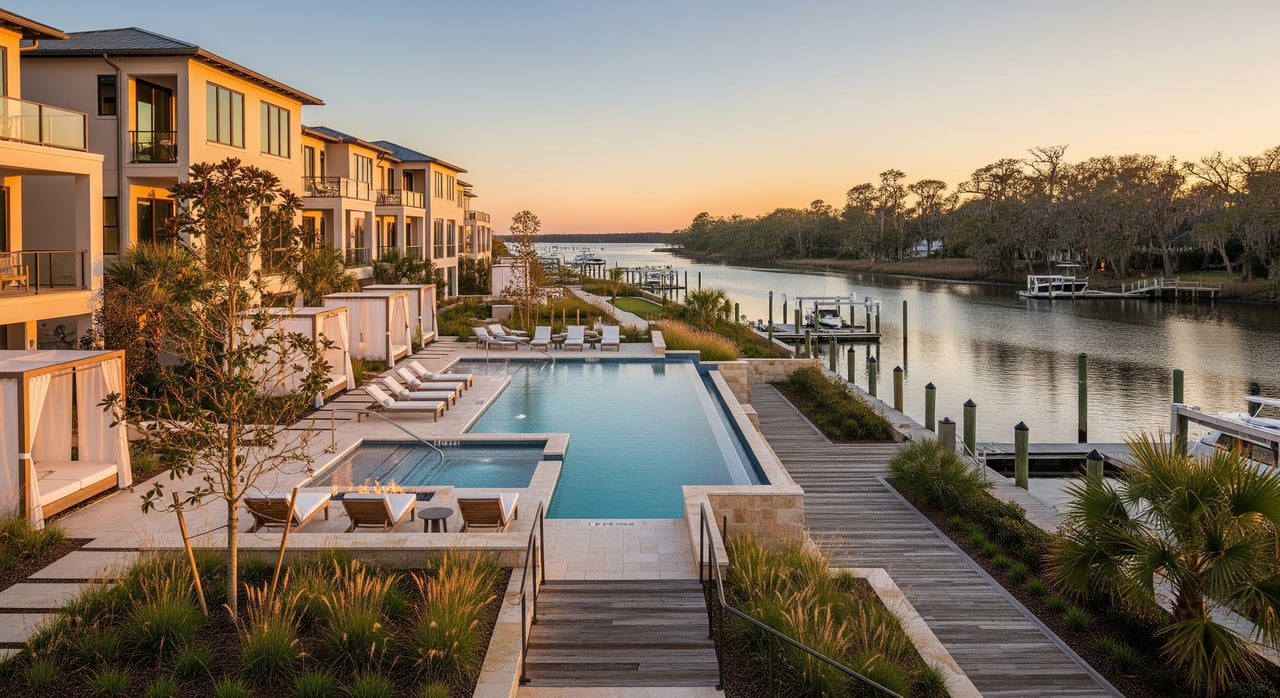
Rivertown is oriented to natural river access and a larger trail network. You get kayak launches, fishing spots, and potential boating access, along with linear green spaces that encourage longer rides and runs. Natural conditions apply, including tides, currents, and environmental rules for docks and shorelines.
Water access and recreation
Lagoon living usually centers on a large swimming lagoon or expansive resort pools. You can expect calm water for family time, paddleboards and supervised swim zones. There are typically posted rules on hours, guest access, and what equipment is allowed. Most lagoons do not allow motorized boats.
Riverfront living is about the St. Johns River and its tributaries. You’ll often see docks, boat launches, and fishing piers. Water conditions shift with tides and weather, and you should account for navigation limits and environmental protections. Boat size, slip access and permitting all matter.
What this means for you
- Choose the lagoon if you want predictable swim days, family beach events, and water fitness without boat logistics.
- Choose the river if you want kayaking, fishing, boating potential, and a natural waterfront feel.
Trails, parks and greenways
Lagoon communities often feature internal walking paths, pocket parks, and event lawns near the water. You’ll get short strolls to playgrounds and the clubhouse.
Riverfront communities tend to emphasize connected multi-use trails, riverfront promenades, and greenway corridors. If you enjoy long bike rides, training runs, or scenic walks, the riverfront layout often supports that routine.
Clubhouses, fitness and activities
Both community types usually offer a clubhouse, fitness center and event programming. The difference is focus.
- Lagoon communities lean into resort programming like swim lessons, cabana events and family beach days.
- Riverfront communities highlight paddling groups, fishing events, nature programs and trail-based activities, like running clubs or markets.
Aesthetics and privacy
Lagoon living creates a busy central hub. Homes often frame the water amenity, which can be lively on weekends and holidays. The upside is an active, social vibe.
Riverfront plans distribute activity along the shoreline and trails. Some homes may have more private views or access, especially on river lots. Expect occasional traffic at trailheads or piers, but less concentration at a single feature.
Governance, costs and what to verify
Both community types are typically run by an HOA, and many in St. Johns County also use a Community Development District, or CDD. These structures shape your monthly costs, rules and resale.
HOA essentials
Your HOA enforces covenants, manages amenities and sets rules. Before you buy, request and review:
- CC&Rs, bylaws and rules and regulations
- Current budget, reserve study and the last 12 months of financials
- Recent meeting minutes and any violations list
- Operating contracts for pools, landscaping and security
Pay special attention to amenity access rules, guest policies, reservation systems, and maintenance responsibilities. In a lagoon community, look for details on water treatment, safety, staffing and testing. In a riverfront community, confirm how docks, boat storage and shoreline features are maintained and regulated.
CDD basics
Florida CDDs are special districts that finance infrastructure under Florida Statutes Chapter 190. Many master-planned communities in 32259 use CDDs, and assessments typically appear on your property tax bill.
- Check the CDD engineer’s report, bond documents and assessment schedule.
- Ask whether bonds are fixed-term or if there are ongoing operations assessments.
- Confirm transfer rules, prepayment options and any planned capital projects.
CDD assessments affect your carrying costs and can influence resale if they are high or set to rise. Factor them into your affordability analysis.
Insurance, flood and environmental factors
Flood exposure differs between lagoon and riverfront settings. Riverfront properties are more likely to sit in higher FEMA flood zones, while lagoons may be in lower or moderate zones depending on local topography. Always verify the actual flood zone and request an elevation certificate if needed.
Homeowners insurance and wind coverage can be significant in coastal-influenced areas. Ask your insurance provider for premium estimates early in your process. For lagoon neighborhoods, understand the scope and cost for water chemistry, filtration and any dredging programs. For riverfront homes, assess seawalls, erosion control and permitting requirements for docks or shoreline improvements.
Day-to-day lifestyle differences
Lagoon communities generally offer predictable water time, a strong community calendar and easy family recreation. If your weekly rhythm includes lap swims, kids’ lessons and beachy weekends at home, this setup fits well.
Riverfront communities offer broader outdoor variety. Boating, fishing, kayaking and long trail loops are part of daily life. If you value natural views and quiet mornings on the water, you will likely prefer the riverfront mix.
Noise, privacy and crowding
A lagoon can be a hot spot during peak hours and holidays. Expect more activity near the amenity center.
Riverfront trails and promenades spread people out. Riverfront homes may be quieter day to day, with activity focused at access points like docks and launch areas.
Commuting and nearby services
Both community types offer similar inside-the-neighborhood walkability to clubhouses and parks. For work commutes, shopping, medical care and county parks, check how the specific address aligns with your routine. Travel times vary, so test your route during your actual commute window.
Due-diligence checklist
Use this to confirm costs, rules and maintenance responsibilities before you write an offer.
Documents to collect
- HOA: CC&Rs, bylaws, rules, current budget and reserve study, last 12 months of financials, recent meeting minutes, violations list, operating contracts
- CDD: engineer’s report, bond documents, assessment schedule, meeting minutes and any proposed projects
- Community maps: deeded amenities vs permissive uses, stormwater systems, easements
- Permit history for docks, seawalls, lagoon construction and maintenance programs
Key questions to ask
- Who owns and maintains the lagoon or riverfront improvements? Are there deeded rights for certain lots?
- What permits or approvals are in place for docks, seawalls or lagoon discharges? Any pending compliance issues?
- What are the amenity rules for guests, reservations and hours? Are lifeguards or on-site staff provided?
- How are HOA rules enforced? Are there rental restrictions or short-term rental limits?
- What are the current and projected HOA and CDD assessments? Any special assessments planned?
- Any historical issues with water quality, algae, mosquitos, erosion or dredging?
- For riverfront lots: how are boat slips assigned? Any bridge or navigation limits for boat size?
Third-party checks to order
- Flood zone verification and an elevation certificate for insurance quotes
- Title search for easements that affect water or trail access
- Environmental review if wetlands or shoreline impacts are a concern
- Home inspection with emphasis on seawalls, docks and shoreline conditions where applicable
Matching the community to your goals
Choose Beachwalk if you want a resort feel at your doorstep. You’ll likely value a central amenity hub, structured family activities and predictable water conditions.
Choose Rivertown if you want natural shoreline access and a wider trail network. You’ll likely prioritize kayaking or boating, fishing, long rides or runs, and river views.
Either way, the best decision starts with documents and data. Verify HOA rules, CDD assessments, flood maps and maintenance responsibilities. These factors influence your total monthly cost, insurance, and long-term resale.
Get local guidance you can trust
If you want a side-by-side walkthrough of HOA and CDD documents, flood considerations and amenity rules before you buy, connect with a local advisor who knows master-planned communities in 32259. For responsive, construction-fluent guidance and steady communication, reach out to Laura Worrell. She can help you compare options, coordinate due diligence and make a confident choice.
FAQs
What is a CDD and how does it affect my costs?
- A Community Development District finances infrastructure and collects assessments, often on your tax bill, so review the engineer’s report, bonds and schedules to understand your long-term costs.
How do flood risks differ between lagoon and riverfront homes?
- Riverfront properties are more likely to be in higher FEMA flood zones, while lagoon areas can vary by elevation, so always verify the exact flood zone and obtain an elevation certificate.
What amenities define Beachwalk vs. Rivertown?
- Lagoon communities focus on a large swimming lagoon and resort-style programming, while riverfront communities emphasize docks, kayak launches, fishing areas and connected trail networks.
What HOA rules should I check before buying?
- Confirm guest policies, amenity hours, reservation systems, rental restrictions, exterior modification rules, and who maintains water features like lagoons, docks or seawalls.
What documents should I request during due diligence?
- Ask for HOA governing docs, budgets and reserve studies, CDD bond and assessment schedules, community maps, and permit histories for lagoons, docks and shoreline work.
How do these differences affect resale?
- Amenity type shapes your buyer pool, with lagoons attracting resort-lifestyle seekers and riverfront appealing to boaters and nature-focused buyers, so well-maintained amenities support stronger resale potential.